
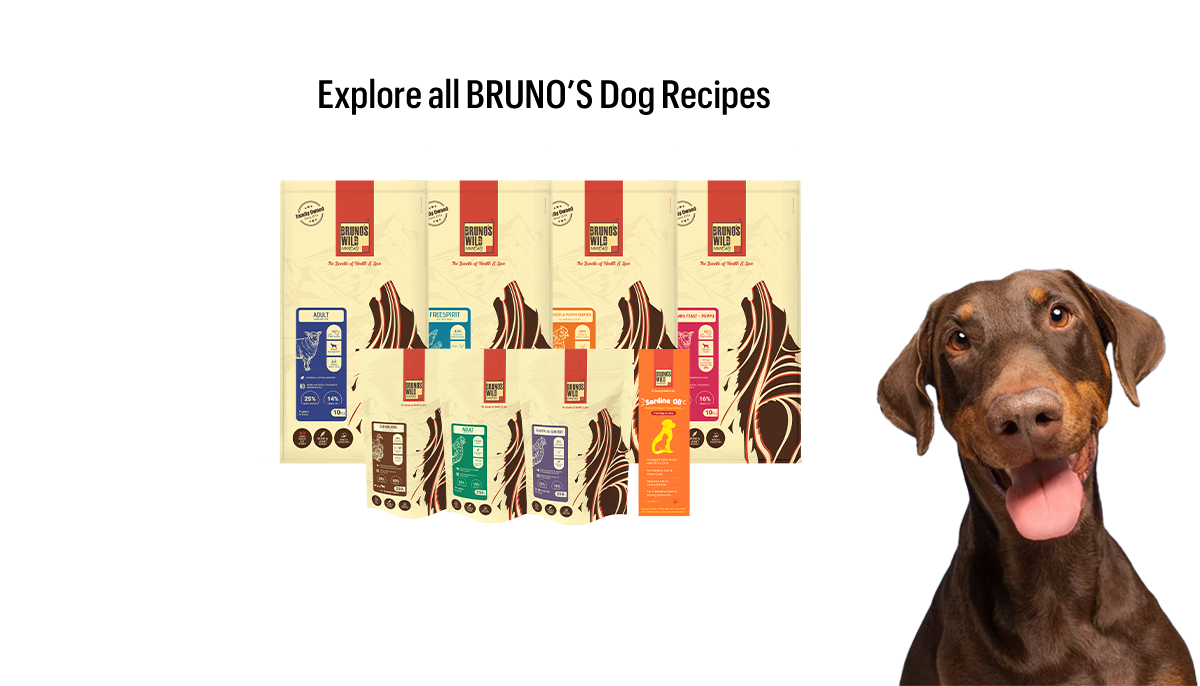
 Puppy Upto 1 Year
 Adult 1-7 Years
 Senior 7+ Years
 Salmon
 Duck
Duck
 Turkey
 Chicken
 Lamb
Lamb
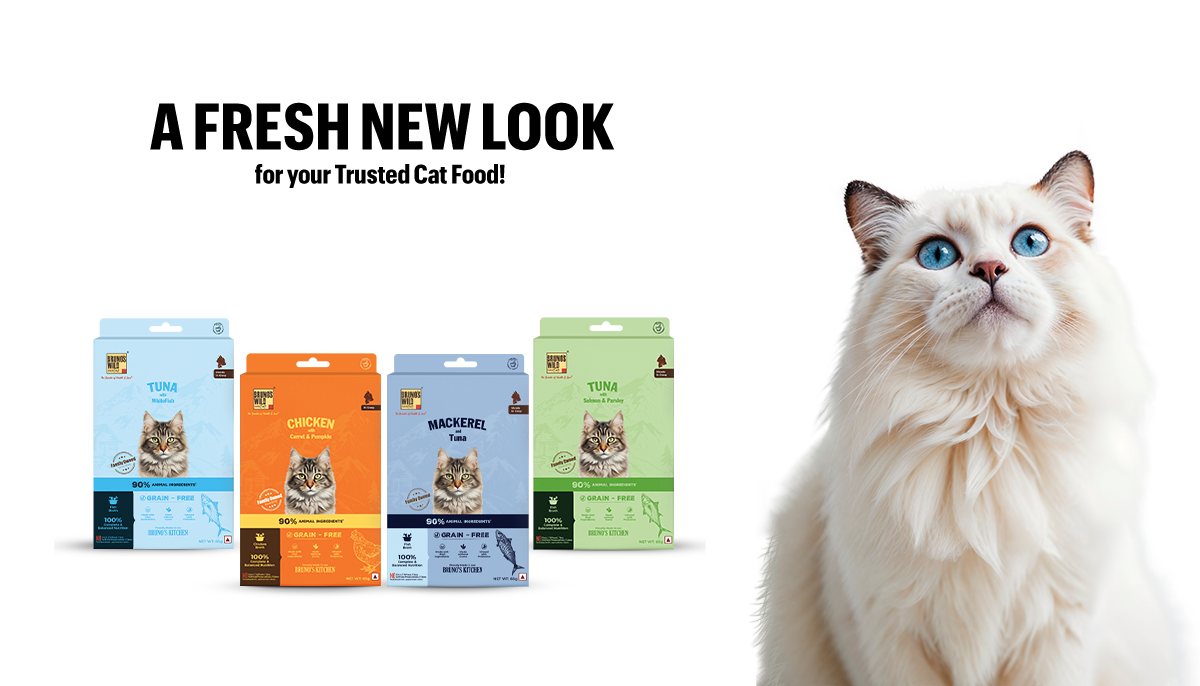
 Kitten
 Adult
Adult
 Senior
 Tuna
Tuna
 Sardine
 Mackerel


Does your dog constantly scratch, lick their paws, or suffer from recurring ear infections and digestive issues? The cause could be a food allergy. An elimination diet for dogs is one of the most effective ways to identify ingredients that may be triggering these symptoms.
What Is an Elimination Diet for Dogs?
An elimination diet is a temporary feeding plan where your dog eats a limited number of ingredients that they have never consumed before. The goal is to remove potential allergens from their diet and slowly reintroduce ingredients to identify the specific trigger causing the allergic reaction.
Unlike food intolerance, which mainly affects digestion, food allergies in dogs involve an immune response and can lead to skin and gastrointestinal problems.
Signs Your Dog May Have a Food Allergy
Common symptoms include:
- Persistent itching and scratching
- Paw licking
- Red or irritated skin
- Recurring ear infections
- Vomiting or diarrhea
- Excessive gas or digestive discomfort
Common Food Allergens in Dogs
Although every dog is different, some ingredients are more likely to trigger allergies than others.
Common Dog Food Allergens:
- Dairy products
- Corn / wheat / soy
- Eggs
It's important to note that dogs typically become allergic to ingredients they have been exposed to repeatedly over time.
How to Do an Elimination Diet
1. Choose a Limited Ingredient Food
Select a diet with a single protein source and minimal ingredients.
2. Feed Only That Diet
Avoid treats, table scraps, flavoured medications, and chews during the trial.
3. Continue for 8–12 Weeks
Monitor your dog's skin, digestion, and overall comfort during this period.
4. Reintroduce Ingredients Slowly
Add one ingredient at a time and watch for any returning symptoms.
Foods to Avoid During an Elimination Diet
Many pet parents unknowingly feed foods that interfere with the trial.
Avoid:
- Flavoured treats
- Dental chews
- Human foods
- Milk products
- Leftover meat
Consistency is the key to success.
Can Puppies Go on an Elimination Diet?
Yes, but puppies have unique nutritional requirements. Always consult your veterinarian before starting an elimination diet in growing puppies to ensure they receive complete and balanced nutrition.
How Long Does It Take for Food Allergy Symptoms to Improve?
Most dogs show noticeable improvements within:
- 3–4 weeks for digestive symptoms
- 6–8 weeks for skin conditions
Every dog responds differently, so patience is essential.
Benefits of an Elimination Diet
Healthier Skin
Reduced redness, itching, and inflammation.
Better Digestion
Improved stool quality and reduced gastrointestinal issues.
Fewer Ear Infections
Many chronic ear infections are linked to food sensitivities.
Improved Quality of Life
A comfortable dog is a happier, more active companion.
Pro Tip:
Many pets with food sensitivities have thrived on our Adult Lamb Recipe and Lamby feast puppy , with pet parents reporting great improvements after making the switch.