
 Puppy Upto 1 Year
 Adult 1-7 Years
 Senior 7+ Years
 Salmon
 Duck
 Turkey
 Chicken
 Lamb

 Kitten
 Adult
 Senior
 Tuna
 Sardine
 Mackerel
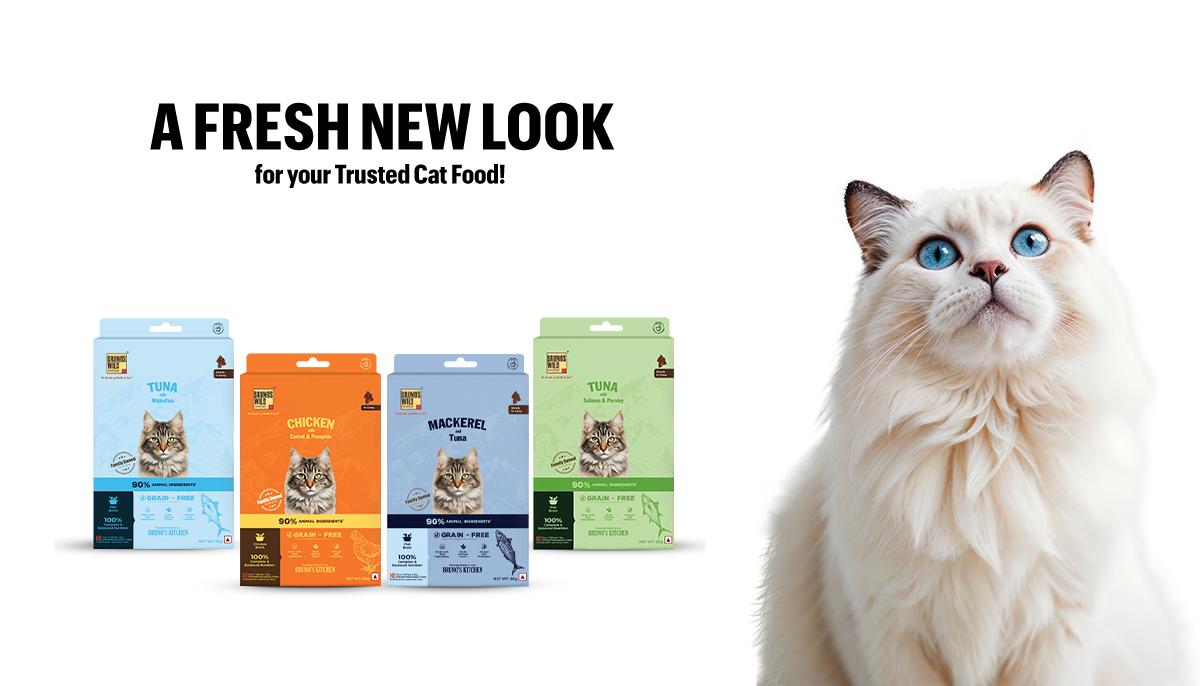


Have you ever noticed your cat barely touching their water bowl? You're not alone! Many cat parents worry about whether their feline companions are drinking enough water.
But here's something interesting: Cats naturally have a lower thirst drive, and a significant portion of their daily water intake can come from their food.
So, how can you make sure your cat stays hydrated, especially if they aren't particularly interested in drinking water? Let's find out!
Why Do Cats Drink Less Water?
Cats have unique hydration habits influenced by their evolution and diet. Here are a few reasons:
- Desert ancestry: Cats evolved from wildcats that obtained much of their moisture from prey rather than drinking water.
- Lower thirst drive: Cats may not always feel the urge to drink enough water, especially when eating dry food.
- Efficient kidneys: Their kidneys can conserve water by producing concentrated urine, but this doesn't mean they need less hydration.
- Moisture from food: Cats eating wet food naturally get more water through their meals and may drink less from their bowls.
While these are natural feline characteristics, ensuring your cat receives enough water remains essential for healthy digestion, kidney function, urinary health, and overall well-being.
Easy Ways to Keep Your Cat Hydrated
1. Introduce Moisture-Rich Wet Cat Food
One of the simplest ways to increase your cat's daily water intake is through their meals.
Wet cat food typically contains around 70–80% moisture, compared to approximately 6–10% in dry kibble. This means your cat can receive a substantial amount of water simply by eating.
For cats that rarely approach their water bowls, incorporating wet food into their daily diet can be particularly helpful.
Here's how you can start:
- Introduce wet food gradually alongside their regular meals.
- Choose complete and balanced wet food suitable for your cat's life stage.
- If your cat enjoys dry kibble, consider combining it with wet food while adjusting portions to avoid overfeeding.
- Serve wet food at room temperature to make it more appealing to picky eaters.
Moisture-rich meals can help improve your cat's overall water intake without relying entirely on drinking from a bowl.
2. Place Multiple Water Bowls Around Your Home
Sometimes, the problem isn't that your cat dislikes water. It could simply be where you've placed their bowl!
Cats can be particular about their drinking environment. Some prefer quiet corners, while others may avoid water bowls placed too close to their litter boxes or feeding areas.
Try these simple changes:
- Place water bowls in different rooms your cat frequently visits.
- Keep water bowls away from litter boxes.
- Experiment with wide, shallow bowls that don't press against their whiskers.
- Choose ceramic, stainless steel, or glass bowls that are easy to clean.
- If you have multiple cats, provide several separate drinking spots.
You can also try a cat water fountain. Some cats are naturally attracted to moving water and may be more interested in drinking from a fountain than a regular bowl.
The goal is to make drinking water convenient and comfortable for your cat.
3. Keep Their Water Fresh and Bowls Clean
Would you enjoy drinking water from a bowl that hasn't been cleaned all day? Your cat probably wouldn't either!
Cats can be sensitive to changes in the smell, taste, and cleanliness of their water.
A bowl containing food particles, dust, or saliva may discourage them from drinking, even when they're thirsty.
A few habits can make a difference:
- Replace drinking water at least once daily, or more frequently if it becomes dirty.
- Wash water bowls daily to prevent residue and bacterial buildup.
- Avoid placing bowls in direct sunlight, where water may become warm.
- Experiment with different bowl materials or water sources if your cat seems reluctant to drink.
Some cats prefer cooler water, while others are comfortable with room-temperature water. Observe what your cat enjoys and make it part of their routine.
4. Add Pet-Safe Broth to Their Meals
If your cat isn't enthusiastic about plain water, adding a little flavour to their meals can be another way to encourage hydration.
Cat-safe broth can provide additional moisture while making mealtime more appealing.
For example, you can add a small amount of plain, unsalted chicken or fish broth to your cat's regular food.
Here's what to keep in mind:
- Choose broth specifically formulated for pets
- Avoid broths containing onion, garlic, excess salt, or added seasonings.
- Mix a little broth into dry kibble to soften it and increase moisture.
- Introduce broth gradually and observe how your cat responds.
- Discard moistened food that has been left out for too long.
How Can You Tell If Your Cat Is Getting Enough Water?
Rather than judging hydration only by how often your cat visits their water bowl, pay attention to their overall habits.
- Litter-box habits: Notice significant changes in how frequently your cat urinates or the amount of urine produced.
- Energy levels: Unusual tiredness or weakness can be a warning sign.
- Gum moisture: Dry or sticky gums may indicate dehydration.
- Eating and drinking habits: Sudden changes in appetite or water consumption deserve attention.
If your cat shows signs of dehydration, persistent vomiting, diarrhoea, or unusual changes in urination, consult your veterinarian. Straining to urinate or producing little to no urine is an emergency.
Small Changes Can Make a Big Difference
Keeping your cat hydrated doesn't necessarily mean convincing them to drink more from their water bowl.
Sometimes, it's about making a few thoughtful changes to their everyday routine, from introducing moisture-rich wet food and offering fresh water in different locations to adding pet-safe broth to their meals.
The key is to make hydration a natural part of your cat's day, one meal and one sip at a time.
After all, a well-hydrated cat is better supported for a healthy, happy life.